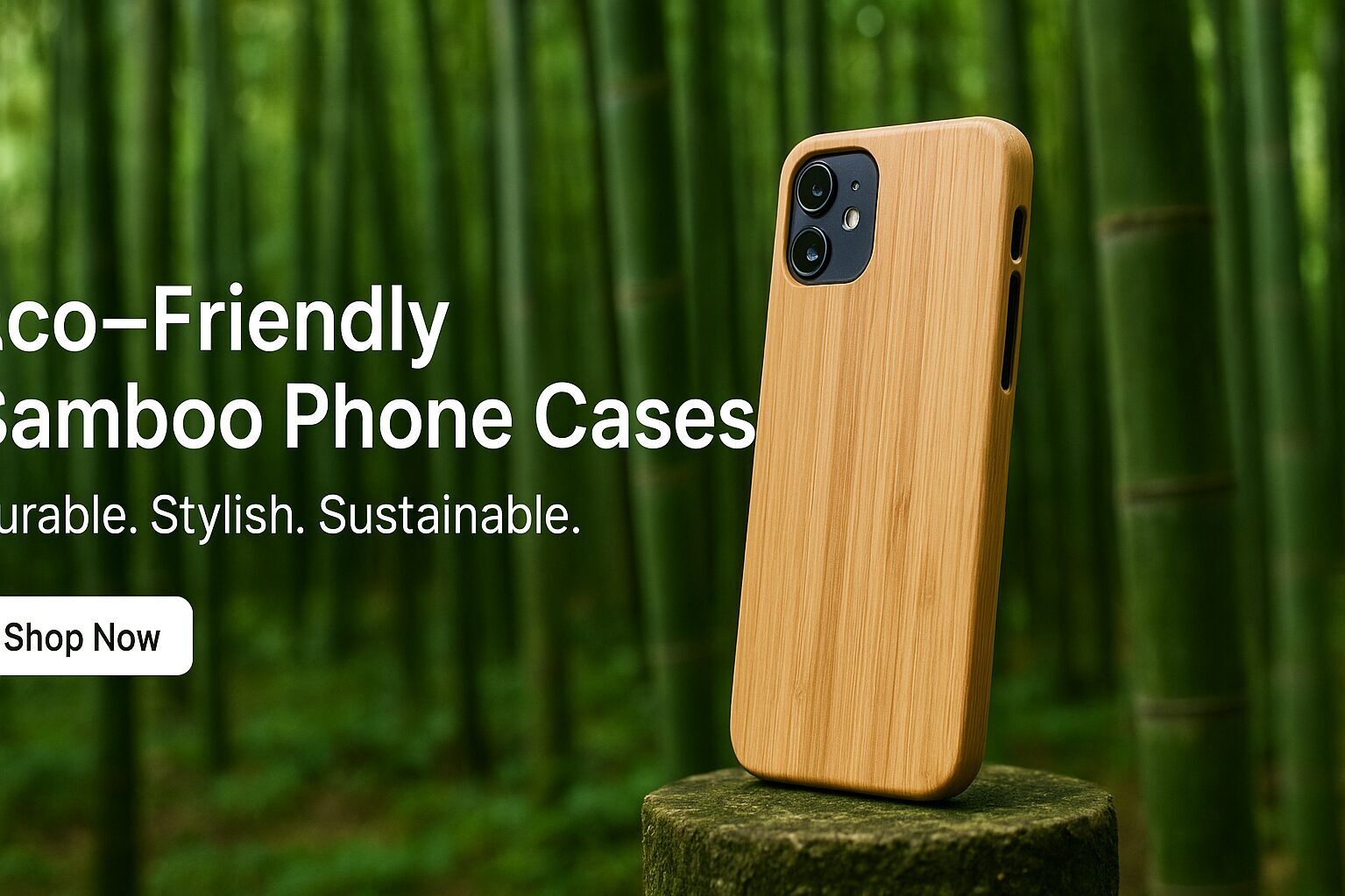
Sarah’s phone slipped from her hands for the third time that week, clattering onto her kitchen counter with that heart-stopping sound every smartphone owner dreads. As she picked it up, inspecting for new cracks on the already-damaged screen, she made a decision. Not just any plastic case would do this time. She wanted something different—something that reflected her values about sustainability, supported small businesses, and told a story. That evening, scrolling through endless options online, she stumbled upon a world she never knew existed: artisan craftspeople in small towns across America, creating beautiful bamboo phone cases and selling them on Etsy.
What Sarah discovered wasn’t just a phone case marketplace. It was a network of passionate makers—woodworkers in Oregon mountain towns, eco-conscious designers in Vermont villages, and family-run workshops in rural Pennsylvania—all crafting protective cases from one of nature’s most remarkable materials. These weren’t mass-produced accessories churned out in faceless factories. Each case carried the fingerprint of its maker, the character of its source material, and a commitment to environmental responsibility that resonated deeply with buyers tired of disposable consumer culture.
The search for the best small town bamboo phone case Etsy has to offer reveals a fascinating intersection of traditional craftsmanship, modern sustainability, and the unique advantages that small-scale production brings to both quality and customer experience. But navigating this marketplace requires understanding what separates exceptional bamboo cases from mediocre ones, knowing which small town artisans have mastered their craft, and recognizing the real value these handmade accessories provide.
The Renaissance of Small Town Craftsmanship in the Digital Age
Something remarkable happened over the past decade in small towns across North America. As traditional manufacturing jobs disappeared and main streets emptied, a new generation of makers discovered they could build sustainable businesses by combining age-old craft techniques with modern e-commerce platforms. Etsy became the great equalizer, allowing a woodworker in a town of 3,000 people to reach customers worldwide.
This shift created unexpected opportunities in the phone accessory market. While major brands focused on mass production and razor-thin margins, small town artisans carved out a niche by offering something fundamentally different: authenticity. A case maker in rural Washington doesn’t compete on price with factory production. Instead, they compete on story, quality, customization, and the growing consumer desire to know exactly where products come from and who made them.
The bamboo phone case became a perfect vehicle for this artisan economy. Bamboo’s natural beauty requires minimal processing to shine—literally. Unlike plastic cases that hide their industrial origins beneath printed designs, bamboo cases celebrate their material source. The grain patterns, natural color variations, and organic texture tell customers immediately: this came from nature, was shaped by human hands, and connects you to something real.
Small town makers bring specific advantages to bamboo case production that larger operations struggle to replicate. First, they typically source materials more thoughtfully. Rather than ordering the cheapest bamboo panels from bulk suppliers, many small producers research sustainable bamboo farms, select specific species for their properties, and even visit suppliers to verify growing practices. A maker in Asheville, North Carolina might spend months testing different bamboo varieties to find one with optimal hardness, grain pattern, and environmental credentials.
Second, quality control becomes personal. When you’re producing 20 cases per week rather than 20,000, you inspect every piece individually. You notice if the bamboo grain doesn’t align properly, if the cutouts for camera lenses aren’t perfectly smooth, or if the finish feels slightly tacky. This attention to detail creates consistency that mass production, despite advanced machinery, often fails to achieve.
Third, customization becomes feasible. Small operations can offer personalization—engraving initials, incorporating custom designs, adjusting dimensions for specific phone models—without the setup costs and minimum order quantities that make customization prohibitive for large manufacturers. This flexibility transforms a phone case from commodity to keepsake.
Understanding Bamboo: Why This Material Revolutionizes Phone Protection
Before diving into specific Etsy shops and their offerings, understanding bamboo’s unique properties explains why this material has captivated both makers and buyers. Bamboo isn’t wood, despite appearing similar. It’s actually a grass—the fastest-growing plant on Earth, with some species growing up to 35 inches in a single day. This remarkable growth rate makes bamboo inherently sustainable; harvested stalks regenerate from their root systems without replanting, and mature bamboo can be harvested in 3-5 years compared to 20-50 years for hardwood trees.
But sustainability alone wouldn’t make bamboo ideal for phone cases. The material possesses a specific combination of physical properties that make it remarkably suited for device protection. Bamboo exhibits high tensile strength—in some species, comparable to steel—while maintaining flexibility that absorbs impact. When your phone drops, a quality bamboo case doesn’t crack like rigid plastic; it flexes slightly, dissipating force before it reaches your device.
The natural silica content in bamboo creates inherent antimicrobial properties. Your phone is one of the dirtiest objects you touch daily, harboring more bacteria per square inch than most toilet seats. Bamboo cases naturally resist bacterial growth without chemical treatments, keeping your device cleaner with less effort. For people concerned about hygiene—parents, healthcare workers, or anyone conscious about germs—this feature provides peace of mind that plastic alternatives can’t match.
Bamboo’s cellular structure also makes it naturally anti-static. It doesn’t attract dust and lint the way synthetic materials do, meaning your case stays cleaner looking between wipes. Additionally, bamboo’s natural oils give it a pleasant, subtle scent—nothing overpowering, but a faint organic aroma that some users find grounding, especially compared to the chemical smell of new plastic cases.
Temperature regulation represents another unexpected advantage. Bamboo doesn’t conduct heat efficiently, which means it insulates your phone from temperature extremes. In summer heat, your device stays cooler. In winter cold, it doesn’t become uncomfortably icy to hold. This thermal property also protects battery life; extreme temperatures degrade lithium-ion batteries faster, so maintaining moderate phone temperature extends overall device longevity.
The aesthetic appeal cannot be overstated. Each bamboo case displays unique grain patterns, color variations, and natural characteristics that make it genuinely one-of-a-kind. Even cases from the same maker, cut from the same bamboo stalk, show individual personality. This natural variation means your case becomes personally distinctive without requiring customization—it simply is unique by virtue of its organic origin.
Navigating the Etsy Bamboo Case Landscape: What to Look For
Searching “bamboo phone case” on Etsy returns thousands of results, creating decision paralysis. Not all bamboo cases are created equal, and not all sellers operate with the same standards. Understanding what distinguishes exceptional offerings from mediocre ones empowers better purchasing decisions.
Shop location and production transparency matter significantly. The best small town bamboo phone case Etsy shops openly share their location, production process, and material sourcing. Their “About” sections tell stories—how they got started, why they chose bamboo, where their materials come from. They post photos of their workshops, their tools, sometimes even themselves at work. This transparency signals confidence in their methods and builds trust with buyers.
Conversely, vague listings with stock photos, generic descriptions, and no workshop images often indicate resellers rather than makers. These shops purchase cases from wholesale suppliers—frequently the same factories serving Amazon and big-box retailers—and mark them up for Etsy’s craft-conscious audience. There’s nothing illegal about reselling, but buyers seeking authentic small town craftsmanship deserve to know whether they’re supporting an individual artisan or a middleman.
Review patterns reveal quality and customer service. Look beyond star ratings to actual review content. Do customers mention durability after months of use? Do they praise specific features like precise button cutouts or smooth edges? Do they describe positive interactions with the seller, especially if issues arose? A shop with 500 five-star reviews where every comment says “Great!” or “Fast shipping!” might be curating or incentivizing reviews. Shops with detailed, varied reviews discussing specific experiences tend to be more trustworthy.
Pay attention to how sellers handle criticism. Every business receives occasional negative reviews—materials fail, shipping damages products, or customer expectations don’t align with reality. The best makers respond professionally, offer solutions, and take responsibility when appropriate. Their responses demonstrate how they’ll treat you if problems occur.
Construction details separate quality bamboo cases from inferior ones. Examine listing photos closely—do they show multiple angles, including interior views? Quality cases feature smooth, sealed edges where bamboo won’t splinter. Interior surfaces should be lined with softer material—usually silicone or microfiber—to prevent the case from scratching your phone. Camera cutouts should be precisely sized with beveled edges that don’t interfere with photo quality. Button covers should be responsive, not mushy or overly stiff.
The type of bamboo matters, though many sellers don’t specify species. Moso bamboo, the most common in phone cases, offers excellent hardness and beautiful grain. Carbonized bamboo—heat-treated to achieve darker color—provides a different aesthetic but slightly reduced strength. Natural bamboo retains maximum structural integrity. Some makers use bamboo veneer over plastic cores, combining bamboo aesthetics with enhanced drop protection. Neither approach is inherently superior; they serve different priorities.
Finishing technique affects both appearance and durability. Food-safe oils and waxes preserve bamboo’s natural texture while providing water resistance. Polyurethane finishes offer more protection but create a plastic-like surface feel that some buyers find defeats the purpose of choosing bamboo. The best finishes balance protection with preserving bamboo’s natural tactile quality.
Six Month Reality Check: What Actually Happens With Daily Use
New bamboo cases look stunning. The real question: how do they perform after months of daily use, countless pocket insertions, occasional drops, and exposure to sweat, dirt, and environmental conditions? This section addresses the long-term reality that most reviews, written shortly after purchase, don’t capture.
Patina development represents the most noticeable change. Unlike plastic cases that simply look progressively more worn, bamboo develops character. Natural oils from your hands darken high-contact areas—edges, back surface, anywhere you regularly grip. This darkening isn’t damage; it’s similar to how leather develops patina. Many users find their cases more beautiful after six months than when new, as the patina creates visual depth and personal connection.
However, patina development varies with bamboo quality and finishing. Well-finished bamboo from quality makers develops even, attractive patina. Poorly finished bamboo can develop splotchy discoloration, particularly if exposed to moisture. Some users love the aged appearance; others prefer their case to maintain its original look. If you’re in the latter camp, occasional application of bamboo oil (available at hardware stores) helps maintain original coloring.
Structural integrity holds up remarkably well in quality cases. Bamboo’s natural strength means properly constructed cases don’t crack or split under normal use. The exception: cheap cases made from thin bamboo veneer over weak cores. These can separate or crack if dropped repeatedly. Solid bamboo cases or those with substantial bamboo layers over strong backing maintain structural soundness through years of use.
Edge wear becomes apparent around three months. The corners and edges that take the most abuse when sliding into pockets or bags show smoothing and slight color change first. This isn’t necessarily negative—smoothed edges often feel more comfortable than sharp new edges—but buyers should expect visible use evidence in high-wear areas.
Button responsiveness changes subtly. Initially, button covers on bamboo cases may feel slightly stiff as you adjust to pressing through the case material. Over time, they break in, becoming more responsive. Quality cases maintain button functionality indefinitely. Poor cases may develop mushy buttons or, worse, button covers that crack or separate from the case body.
Camera lens protection requires attention. Bamboo cases typically feature raised edges around camera lenses to prevent lens contact with surfaces when the phone sits face-up. These raised edges can wear down over time, reducing protection. Additionally, camera cutouts must be precisely sized; too large and they don’t protect, too small and they create vignetting or interfere with flash performance. Quality makers get this balance right, but it’s worth checking reviews for long-term users’ experiences with camera protection.
Grip maintenance is where bamboo excels long-term. Plastic cases often become slippery with wear as surface textures smooth out. Bamboo maintains its natural grip even after extensive use. The material’s inherent texture and the patina from hand oils actually improve grip over time. Users consistently report that bamboo cases feel more secure in hand after months of use than when new.
Cleaning and maintenance prove simpler than expected. Bamboo cases can be wiped with damp cloths—no special cleaners needed. The antimicrobial properties mean they don’t develop the funky smell that some synthetic cases acquire. Occasional treatment with food-safe mineral oil or bamboo conditioner (every few months) keeps the material looking fresh and prevents drying, though this step is optional rather than necessary.
The most common long-term issue isn’t with the bamboo itself but with attachment points. Cases that combine bamboo exteriors with rubber or silicone interiors sometimes experience separation between these materials after many months of use, particularly if exposed to temperature extremes. Quality makers use strong adhesives and mechanical fastening to prevent this, but it’s worth asking about construction methods when purchasing.
Small Town Success Stories: Makers Who Got It Right
Behind every exceptional bamboo phone case on Etsy stands a maker with a story. These aren’t faceless corporations but individuals who made deliberate choices about materials, methods, and values. Understanding their journeys provides context for why their products stand out and what “small town craftsmanship” actually means in practice.
Consider the maker in Bend, Oregon who started crafting bamboo cases after a career in industrial design left him feeling disconnected from the products he created. Working from a converted garage workshop, he spent two years perfecting his process before listing his first case on Etsy. His background in industrial design informs his work—precise tolerances, thoughtful ergonomics, attention to how cases actually function in daily use—but his small-scale operation allows customization and quality control impossible in his former corporate environment.
His cases feature hand-selected bamboo with visible grain patterns he personally approves, ensuring each case meets aesthetic standards. He laser-cuts precise openings but hand-sands every edge to perfect smoothness. His silicone liners are sourced from a California manufacturer who shares his environmental values. When customers request custom engraving, he does the work himself, adjusting designs to complement each piece’s natural grain. His shop maintains a six-week backlog not because he’s inefficient but because buyers value quality and personal attention over instant gratification.
Then there’s the husband-wife team in Vermont who integrated bamboo case production into their existing furniture workshop. They’d worked with bamboo for years creating cutting boards and serving pieces, understanding the material’s properties intimately. When their daughter asked if they could make a phone case, they initially dismissed it as too different from their usual work. But the engineering challenge intrigued them—how to make something protective yet thin, durable yet beautiful, precisely fitted yet adaptable to various phone models.
Their furniture-making background shows in unexpected ways. They apply the same wood selection standards to phone cases as to dining tables, rejecting bamboo with inconsistent grain or structural flaws. Their finishing techniques, developed over decades working with various woods, create surfaces that feel luxurious while maintaining bamboo’s natural character. They test drop protection using the same methods they developed for ensuring furniture withstands decades of use. Their cases aren’t cheap—they’re priced like the quality furniture they represent—but customers report using them for years without degradation.
In rural Pennsylvania, a former software engineer turned to bamboo case making after burning out from tech industry demands. His analytical background shapes his approach: he documents every production step, maintains detailed records of which bamboo batches produce the best cases, and continuously refines his process based on customer feedback data. His Etsy shop reads like a tech product page—specifications, materials testing results, drop test videos, precise measurements—but the products themselves show artisan care in finishing and detail work.
What unites these makers isn’t just their small-town locations but their approach to business. They prioritize sustainable growth over explosive scaling, quality over quantity, and customer relationships over transaction volume. They know many customers by name, remember previous orders, and often adjust designs based on individual feedback. This personal connection creates loyalty that transcends price competition; customers aren’t just buying cases, they’re supporting makers whose values align with their own.
These success stories also highlight what to look for when searching for the best small town bamboo phone case Etsy offers. Makers who share their
Leave a Reply